
MSP Marketing • IT Sales • Technology Business Growth615-656-8435
MSP Sales Training

MSP Sales Training That Drives Profitable Growth

This MSP sales training is built to help MSP owners design a complete IT sales and marketing system that attracts the right prospects, qualifies them properly, and closes profitable managed services contracts without pressure or discounting.

Robin Robins
Higher Close RatesWithout Discounting
Team TrainingOwners, Sales And Technical Staff
25+ YearsSelling IT Services
The Problem

Why Generic Sales Training Doesn't Work For MSPs

Most sales training is built for transactional selling, not long-cycle, trust-based IT services.

MSPs don't fail because their salespeople lack effort. They fail because their IT consulting sales process is incomplete or inconsistent. Qualification is weak, discovery is rushed, pricing conversations are reactive, and objections surface too late.

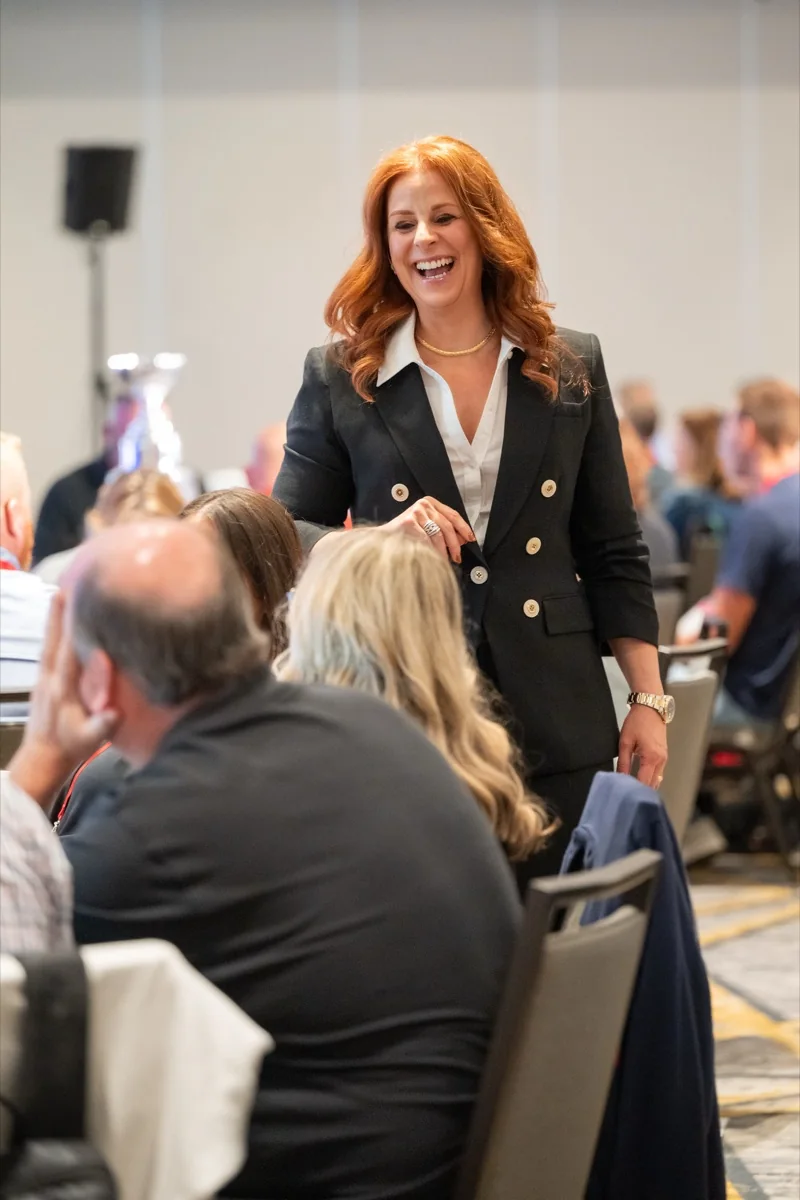
Robin Robins working the room at an MSP training event
MSP Sales Training For IT Consulting Sales

A Sales Process That Matches How Buyers Actually Buy

Effective MSP sales training starts with understanding the buyer's journey. Selling IT services requires clarity, confidence, and education, not scripts borrowed from unrelated industries.

This approach to it consulting sales addresses each stage of the process, including qualification, discovery, IT assessments, objection handling, closing, and follow-up.

Each stage is intentionally designed to support value-based conversations instead of price negotiations.

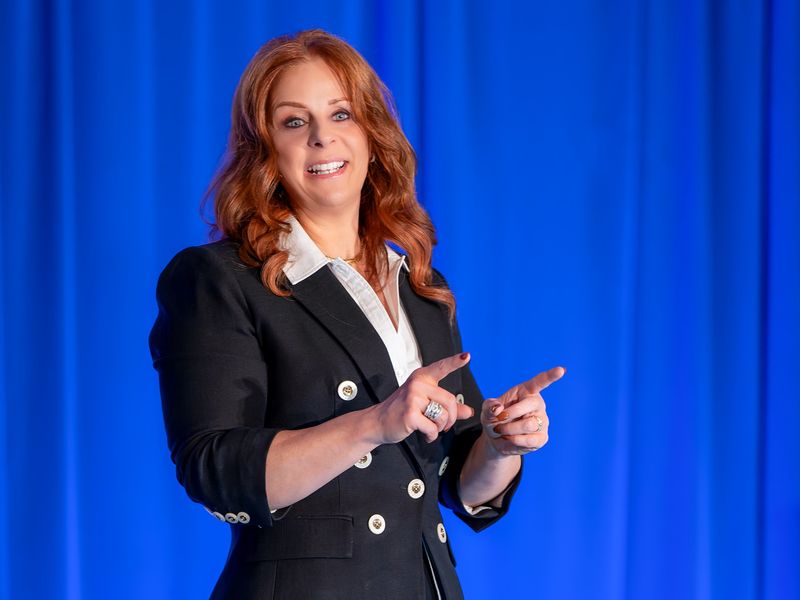
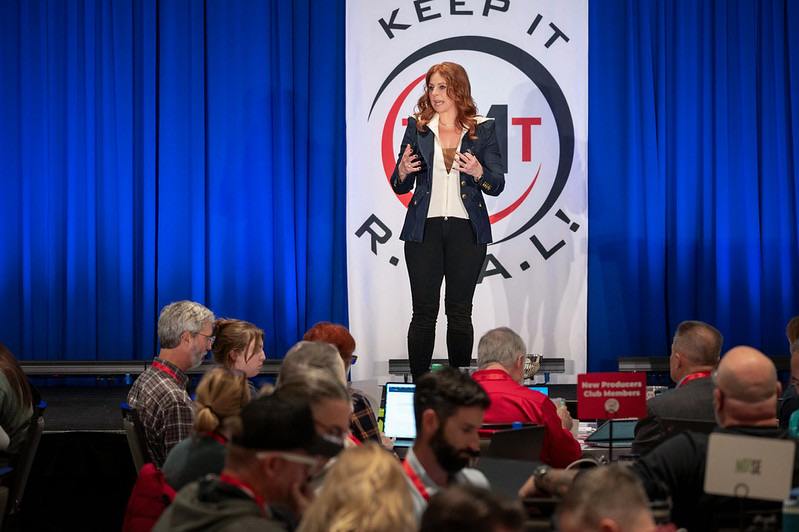
Robin Robins presenting on stage at an MSP event
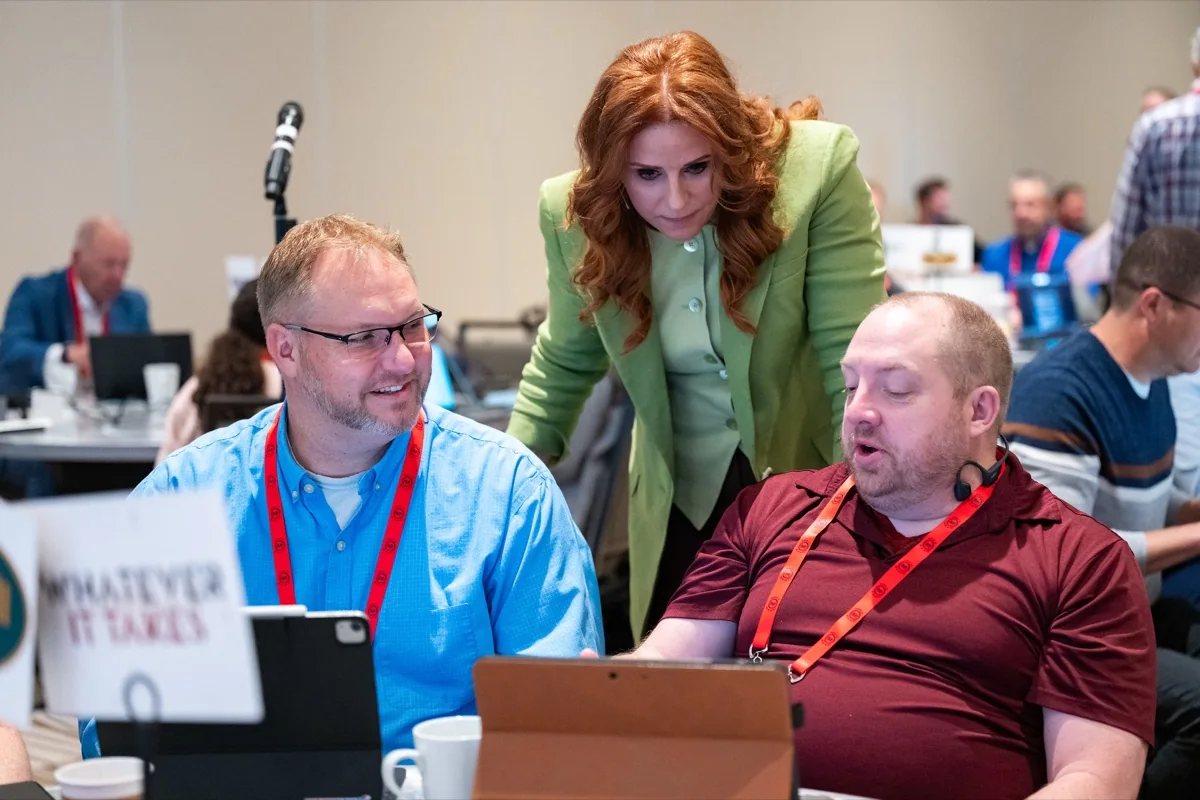
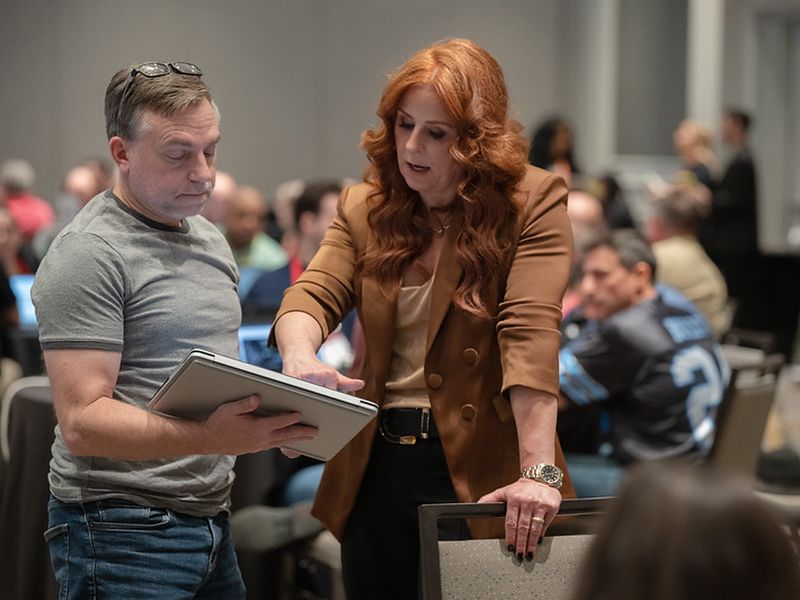
Robin Robins reviewing a campaign with MSP owners
IT Sales Training That Aligns Sales And Marketing

Eliminating Friction Between Lead And Close

Sales problems rarely live in sales alone. They show up when marketing and sales operate in silos.

This IT sales training strengthens alignment by ensuring messaging, positioning, and lead qualification support the sales conversation. When IT sales and marketing work together, prospects arrive better prepared and sales conversations move forward faster.

What Success Looks Like

What Success Looks Like

With the right MSP sales training in place, MSPs see:

  • Higher close rates without discounting
  • More confident, consistent sales conversations
  • Stronger alignment between sales and marketing
  • Better-qualified prospects
  • More predictable revenue

Sales stops feeling reactive and starts feeling controlled.

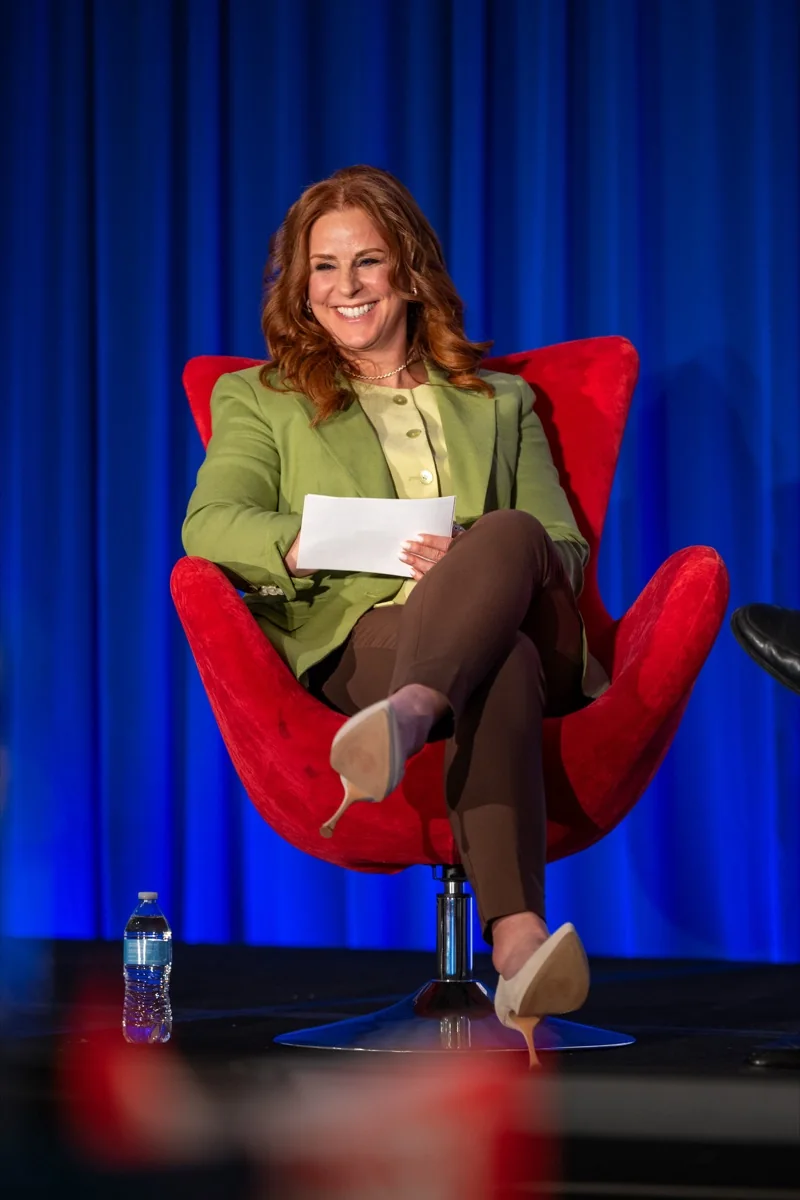
Robin Robins speaking to an MSP audience
Robin Robins giving a thumbs up
Fit Check

Is This Right For You?

This MSP sales training is a good fit if you want:

  • A structured sales system, not ad-hoc selling
  • Fewer stalled deals and pricing battles
  • Sales and marketing working toward the same outcome

If that sounds like you, the next step is simple.

Hire Robin
Work With Robin

Two Ways To Work One-on-One

Start with a single session, or commit six weeks to building the whole plan.

01

Single Private
Consultation

Best for anyone needing immediate advice on a single marketing campaign, opportunity, business idea or challenge you're facing.

$ Investment: $3,000
See What's Included
  • Pre-call preparation
  • 60-Minute private consultation with Robin
  • Appropriate resources, examples provided
  • Call recording and transcription
  • 30-Minute follow up session
Apply Now
02

6-Week Marketing
Plan Sprint

Best for a business owner or executive that wants to really dial in their entire sales and marketing approach, budget, team and reporting cadence.

$ Investment: $15,000
See What's Included
  • 6 Weeks Of Direct, private consulting with Robin via weekly sessions
  • E-mail access for quick questions between sessions
  • Full digital marketing and competitive analysis
  • Weekly sales and marketing metric tracking established
  • Review of all inbound lead generation systems
Apply Now
Questions

MSP Sales Training FAQs

What is MSP sales training, and how does it improve close rates?

It teaches MSP owners and their teams to sell IT services as trusted advisors rather than as technicians. Most MSPs lose deals on price because they present tools and support hours instead of risk reduction, productivity and long-term value. The training covers consultative conversations: asking better questions, surfacing real business pain, and connecting solutions to measurable outcomes. It also handles the parts owners avoid — presenting pricing with confidence, and refusing to discount as a reflex.

How is this different from generic IT sales training?

Generic programs are built to sell hardware, licenses or one-off projects. Managed services are long-cycle, multi-stakeholder agreements built on trust, and the sales motion is completely different. This training is built for recurring-revenue contracts: longer cycles, several decision makers, and an ongoing relationship after the sale. It also goes deep on pricing psychology, which most sales programs avoid entirely, so you can justify premium recurring fees rather than defending them.

Who should take part — just the salespeople?

Everyone who talks to prospects. Owners benefit most, because they usually carry sales themselves and need to move from problem-solver to strategic advisor. Dedicated salespeople get repeatable process, scripts and qualification criteria that shorten onboarding. Technical staff matter too, because engineers and account managers influence deals and renewals, and they can undermine pricing without meaning to. When everyone uses the same language, handoffs improve and cycles shorten.

How does the training handle pricing objections?

By reframing the conversation around risk and outcomes before price ever comes up. Discounting is usually a symptom of weak positioning, not real market pressure. When a prospect genuinely understands the cost of poor IT management, your price becomes contextual instead of arbitrary. The training gives teams the language for common objections — competitor comparisons, scope questions, timing — and reinforces it with role play until it's automatic.

How does it help new hires ramp faster?

Most MSPs can't scale sales because the knowledge lives in one person's head and was never written down. Training replaces that with documented stages, expectations and scripts, so a new hire knows what good looks like from week one. It also makes coaching objective: when everyone follows the same framework, a manager can diagnose exactly where a rep is losing deals instead of guessing.